

Studio Curatorial
Distilling the There Y0u Are aesthetic
Note: Office Hours (30-minute, 1:1 mini-consults with me) are open for booking. Reminder that paid subscribers receive 25% off Office Hours using the code in the paid-subscribers-only chatroom.
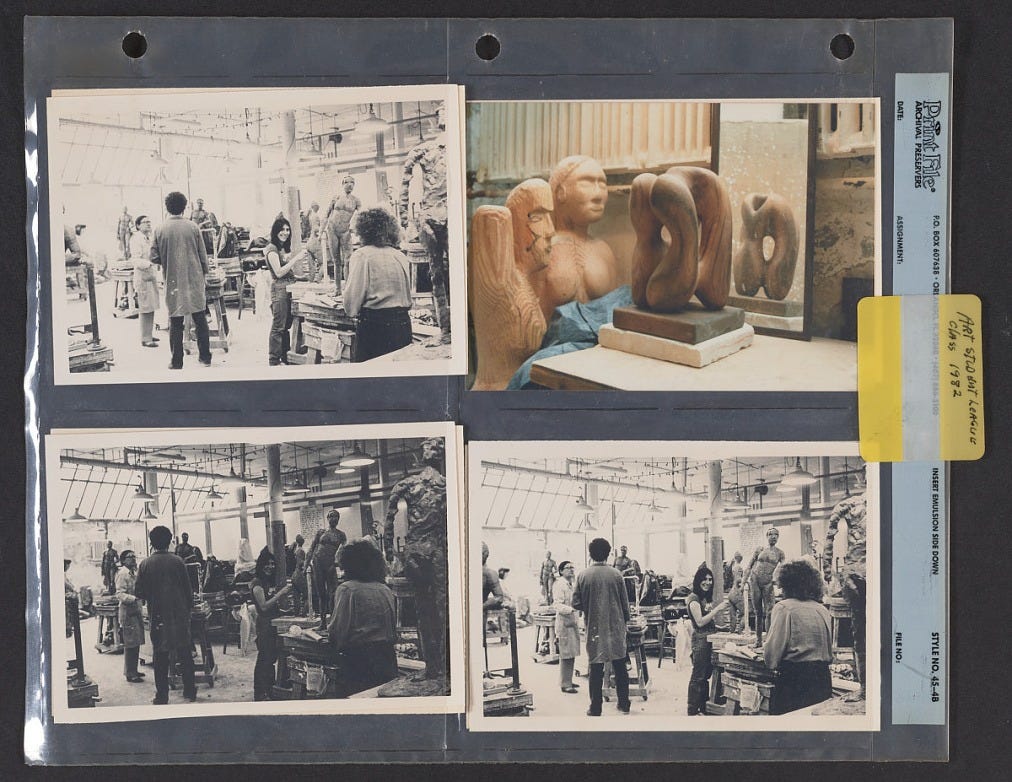
When I tell people about my line of work as a freelance whatever-this-is, they often ask what my aesthetic is. I’ve been fumbling my answer, not having yet nailed my elevator pitch. I suspect what they’re really asking is “what would I look up on Pinterest to find interiors that look like yours?”, and I stumble through my response like a drunk uncle in a minefield: “well I actually try not to limit myself to just one aesthetic, my style is really contextual, so it depends on the bones, I try to stay off feed-based platforms when looking for inspo” blah blah blah. They’re bored, I fail to land the plane, it’s amateur hour.
As I acclimate to my new workspace, the answer to the aesthetic question has finally begun to crystalize. When I first toured the building, I felt a return to self. There is a coffee cup holder (a 5”x5” chunk of raw wood with a note to “place coffee here”) nailed to the front door, haphazard plywood walls, handwritten door signs, horrible insulation. It’s at once hyper-functional and totally uncomfortable. I signed the lease as soon as they’d let me.


What I love so dearly about this building is that everywhere you look, there are visual queues that analogue work is happening here. There it is, that’s the aesthetic I’ll tie my horse to: analogue work is happening here.
If I had to distill it to an SEO-friendly catchphrase, I think I’d go with “studio curatorial.” I appreciate the range that “studio” gives me: a studio could refer to a ballerina’s domain (oversized mirrors, whitewashed wood floors), a woodworker’s lab (Rube Goldberg-esque built-ins, sawdust sunbeams), or an architect’s haven (flat-file cabinets, sexy desktop computers). “Curatorial” implies discernment.


Due to my aforementioned aversion to feed-based platforms that keep you in your comfort zone, I chose to forego Pinterest when looking for inspiration. Instead, I utilized the Smithsonian’s Collection Search, which let’s you search by keyword, then narrow down by factors like date, resource type, and place. I even found a curated collection called “Artists In Their Studios.” I used search terms from “bandsaw” to “ballet rehearsal” to uproot reference images of studios. The results were inspiring.


The design elements I’m pulling from these images: exaggerated scale, personal ephemera recontextualized as decor, raw floors, regionally-specific textiles…


…slick Scandinavian lighting contrasted with haphazard tinfoil lamp shades, art hung with no respect for centrality, unexpected storage solutions, exposed plywood patterning and electrical wiring, oversized picture mats, metal stools, repurposed milk jugs…
Out of curiosity, I did then take to Pinterest to see what turned up. The results were fine, if a bit expected. I found the images to be closer to a finished product than I wanted; they are finished prototypes, and I feed on raw material.


Now you might be thinking that this is all fine and good, but you live in a home, not a working studio or a mood board of working studios. Fair! But there are so many ways to bring the studio curatorial look into your home beyond sticking an easel in the corner and calling it a day.
There are more literal examples, like using a flat file cabinet as a coffee table (I really do love that look), or a pegboard in your kitchen to display your tools. You can lean and layer paintings against the wall instead of mounting them, à la Picasso. But if you’re not an artist, or a chef, or a ballerina, or a woodworker— there is still hope for you. At the core of the studio curatorial aesthetic is the evidence of work, or the hand of the maker. This can come through via handwriting, a stray thumbprint in a bronze cast, or imperfect lines in handmade furniture. When you collect art and design that showcases the hand of the maker, the evidence of the work remains.
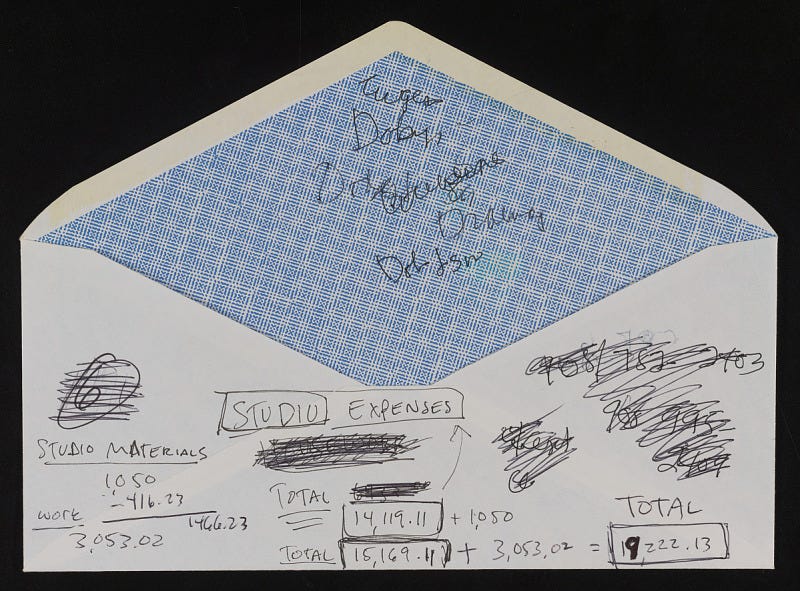
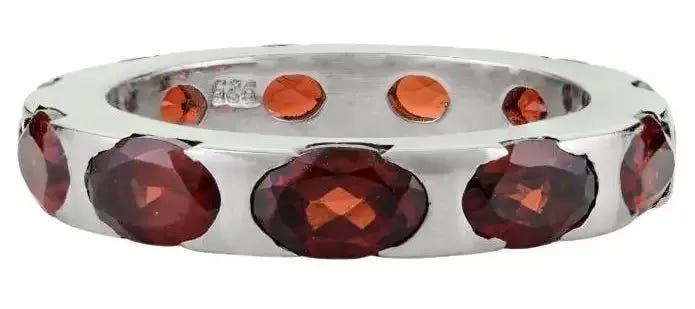
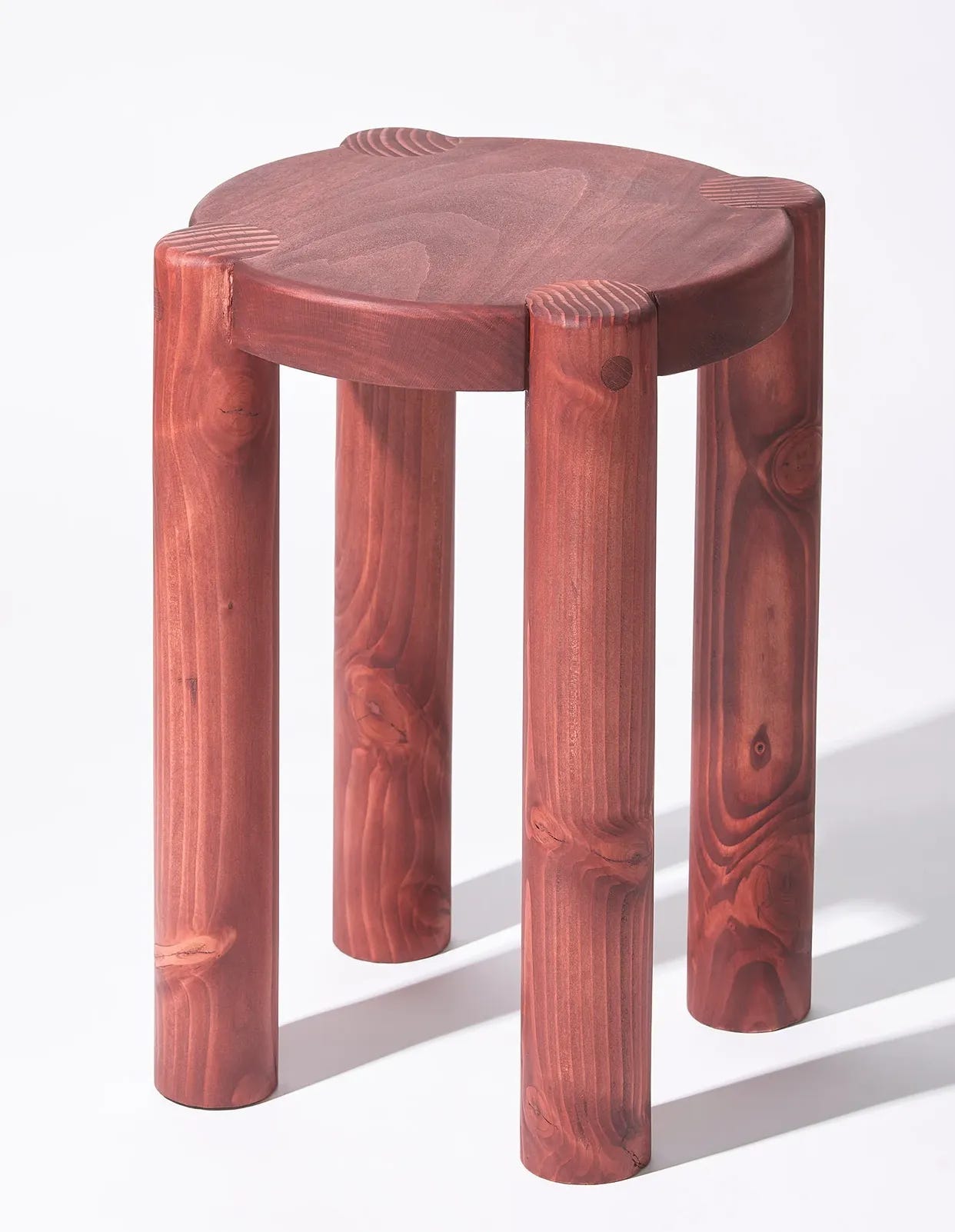
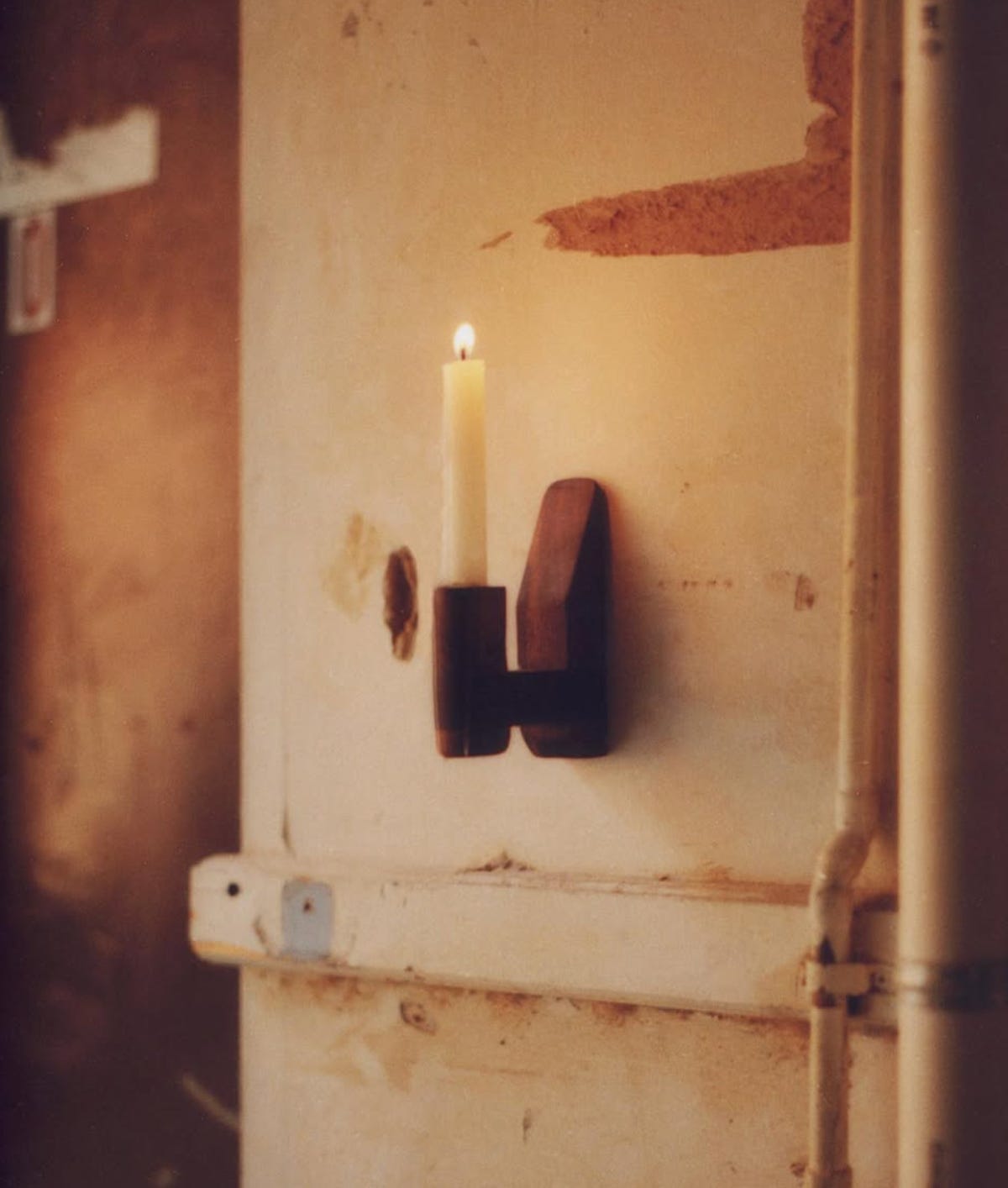
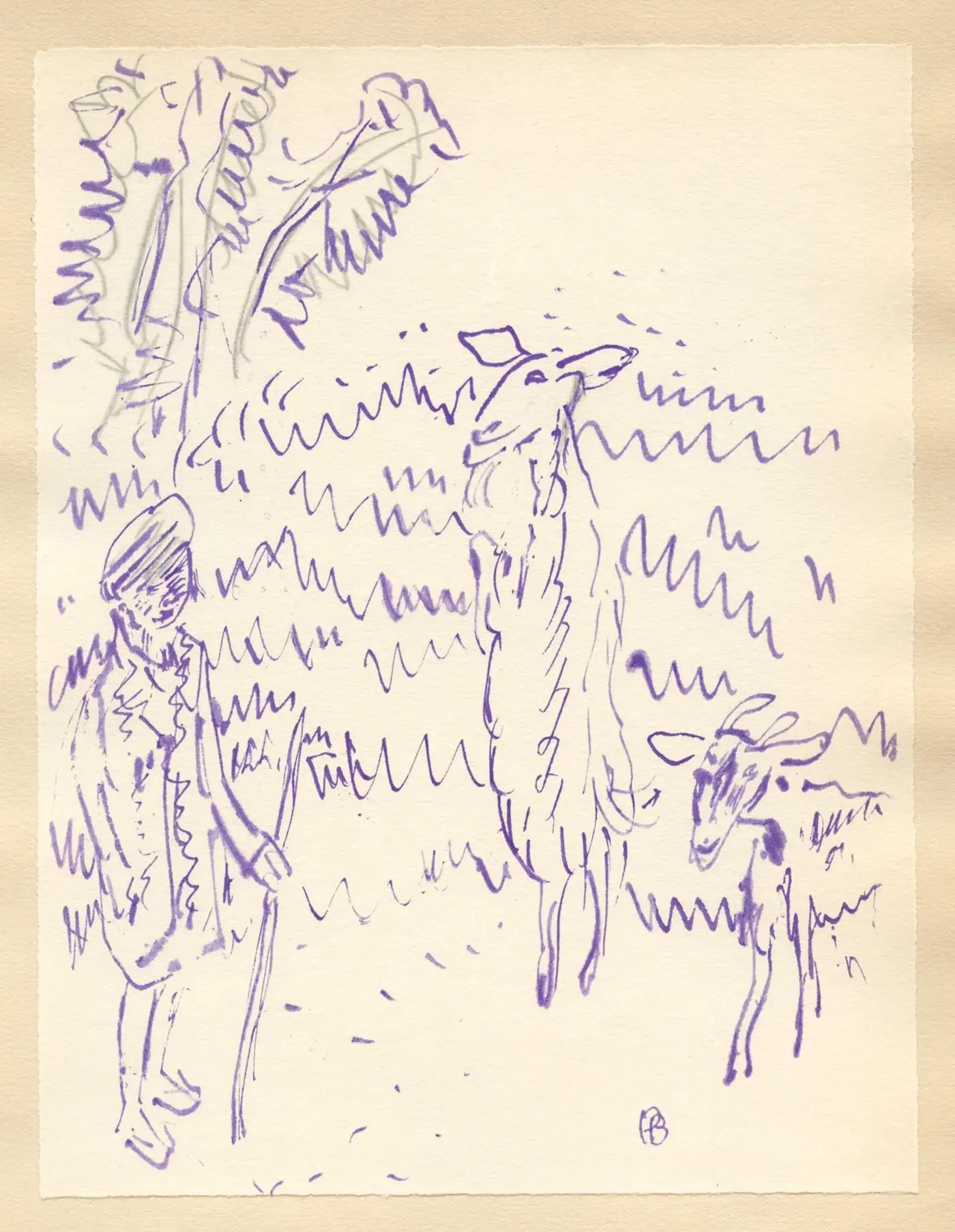
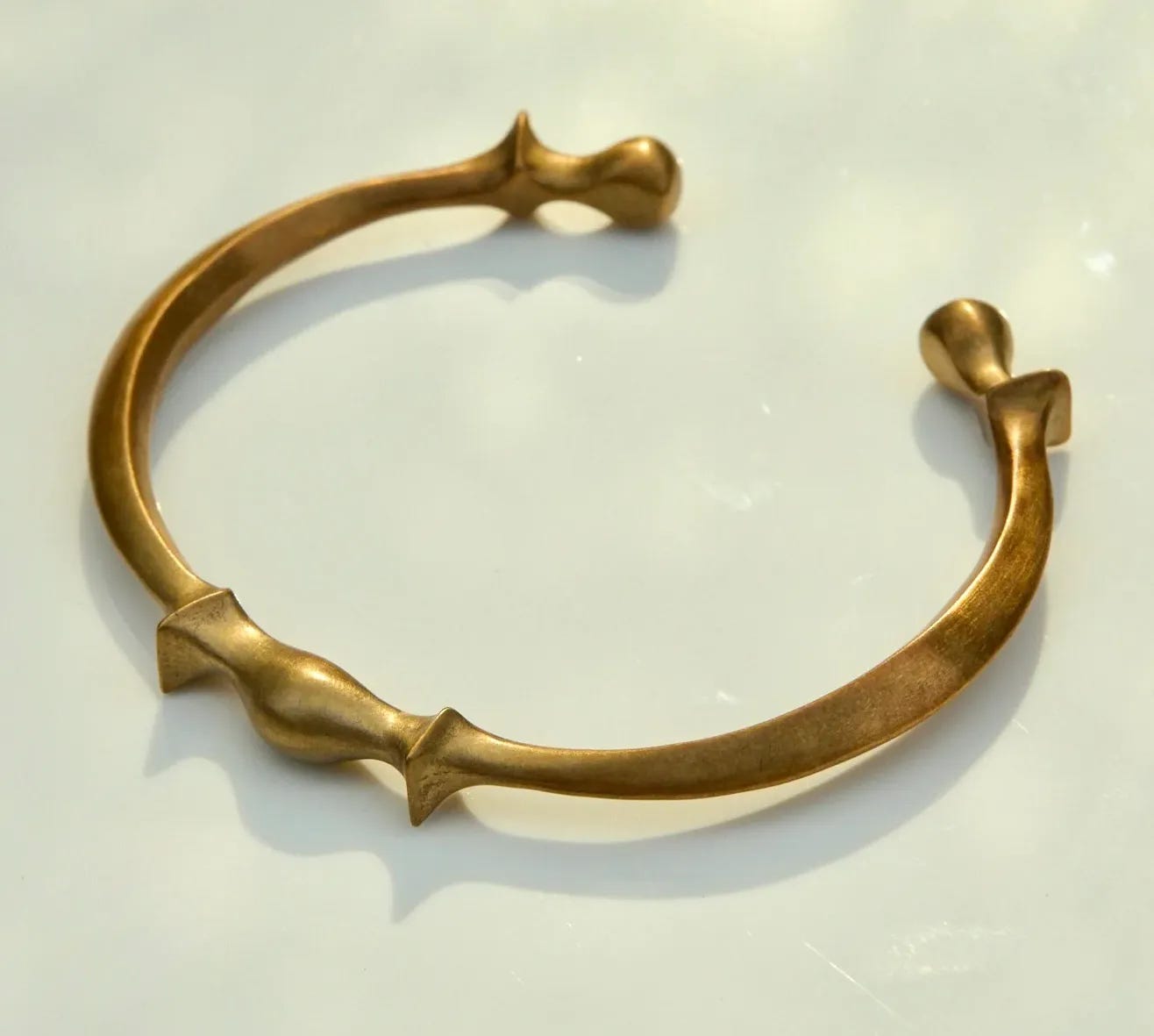
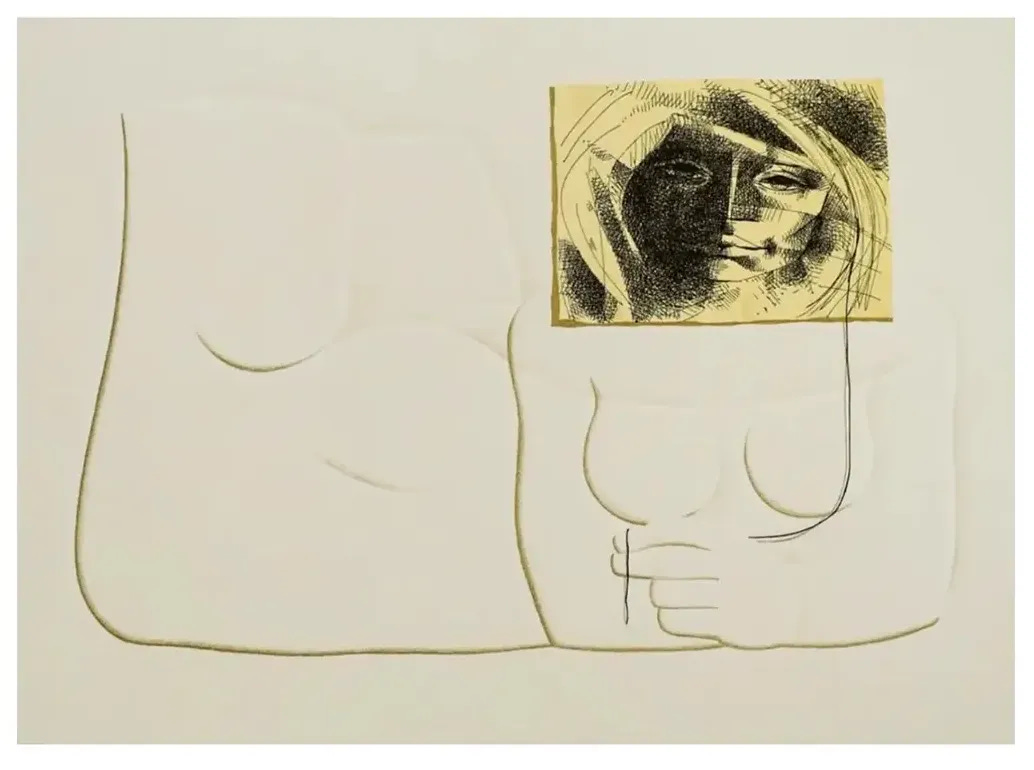
I scoured my archives and collected the pieces that evoke There You Are’s newly-minted “studio curatorial” aesthetic: paintings, chairs, rings, bags, and beyond (starting at $22):

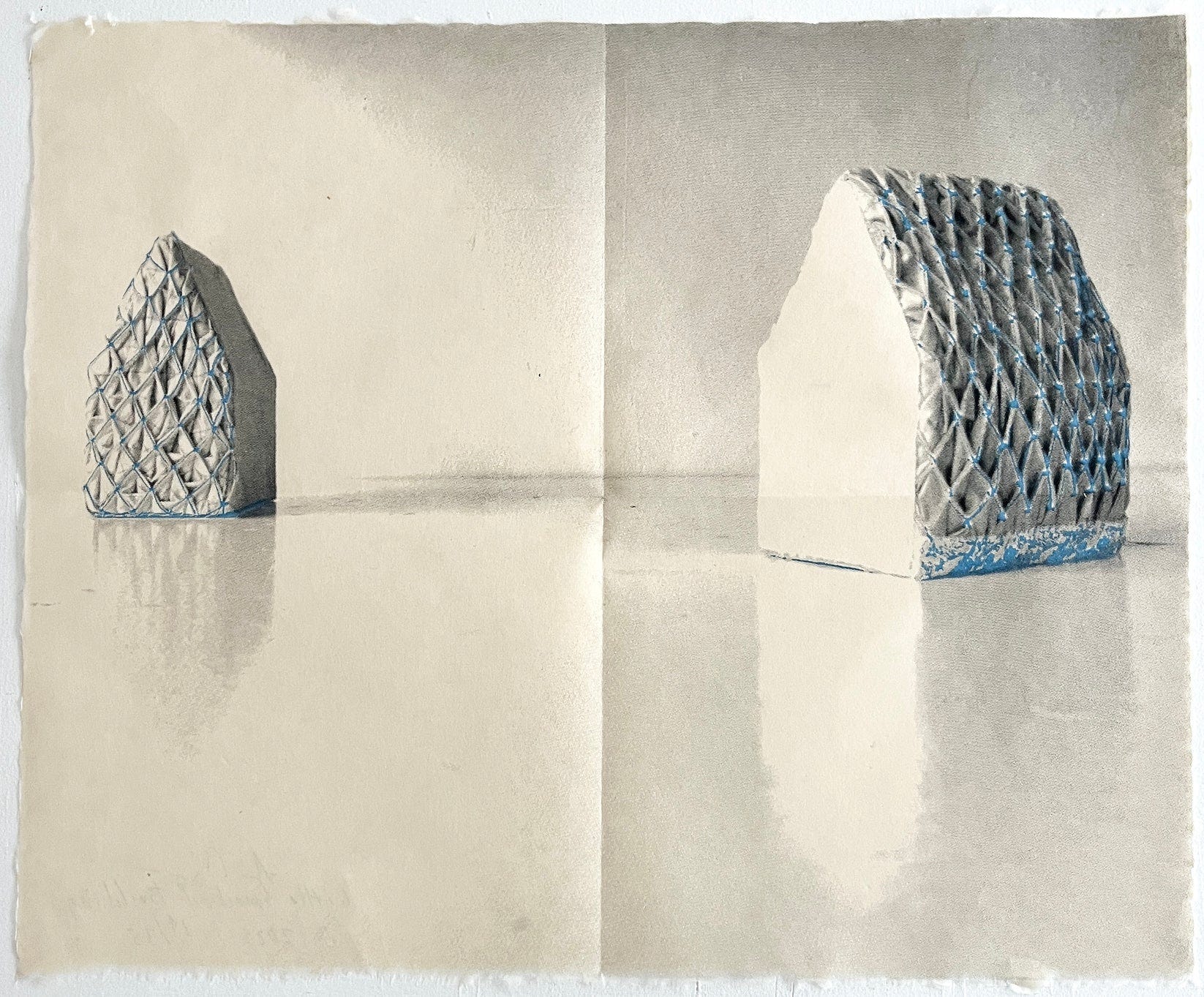
Little Smocked Buildings by Annie Coggan (silkscreen print on Kitakata, a semi-handmade Japanese paper). $75! 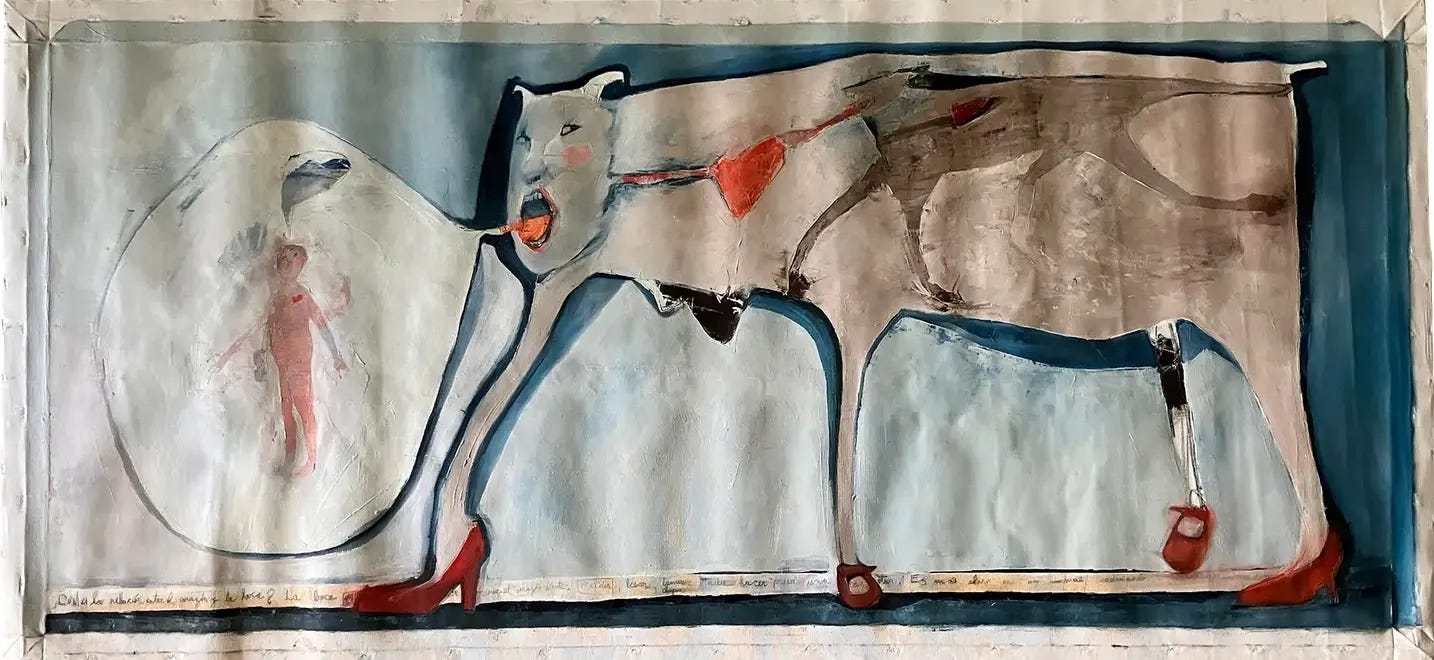
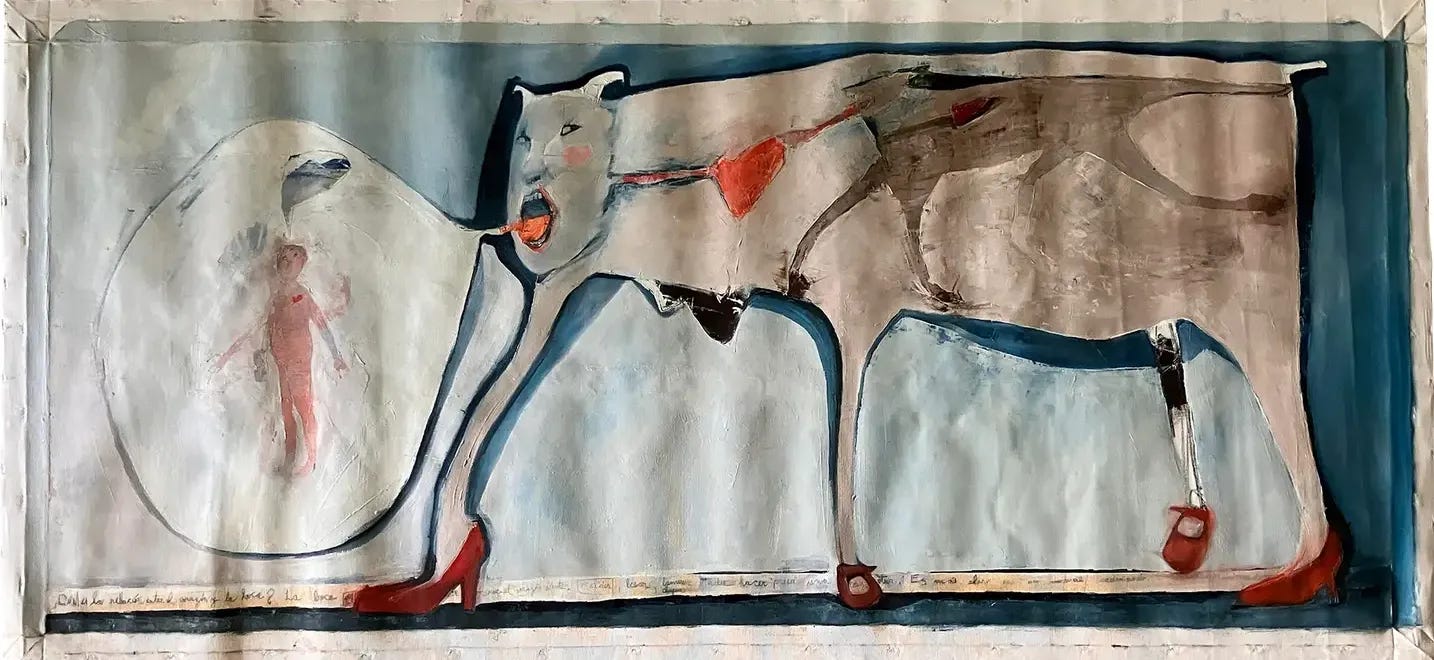
Unstretched Oil painting by Lorena Cabrera. Unstretched canvas gives this piece a W.I.P, studio sensibility. 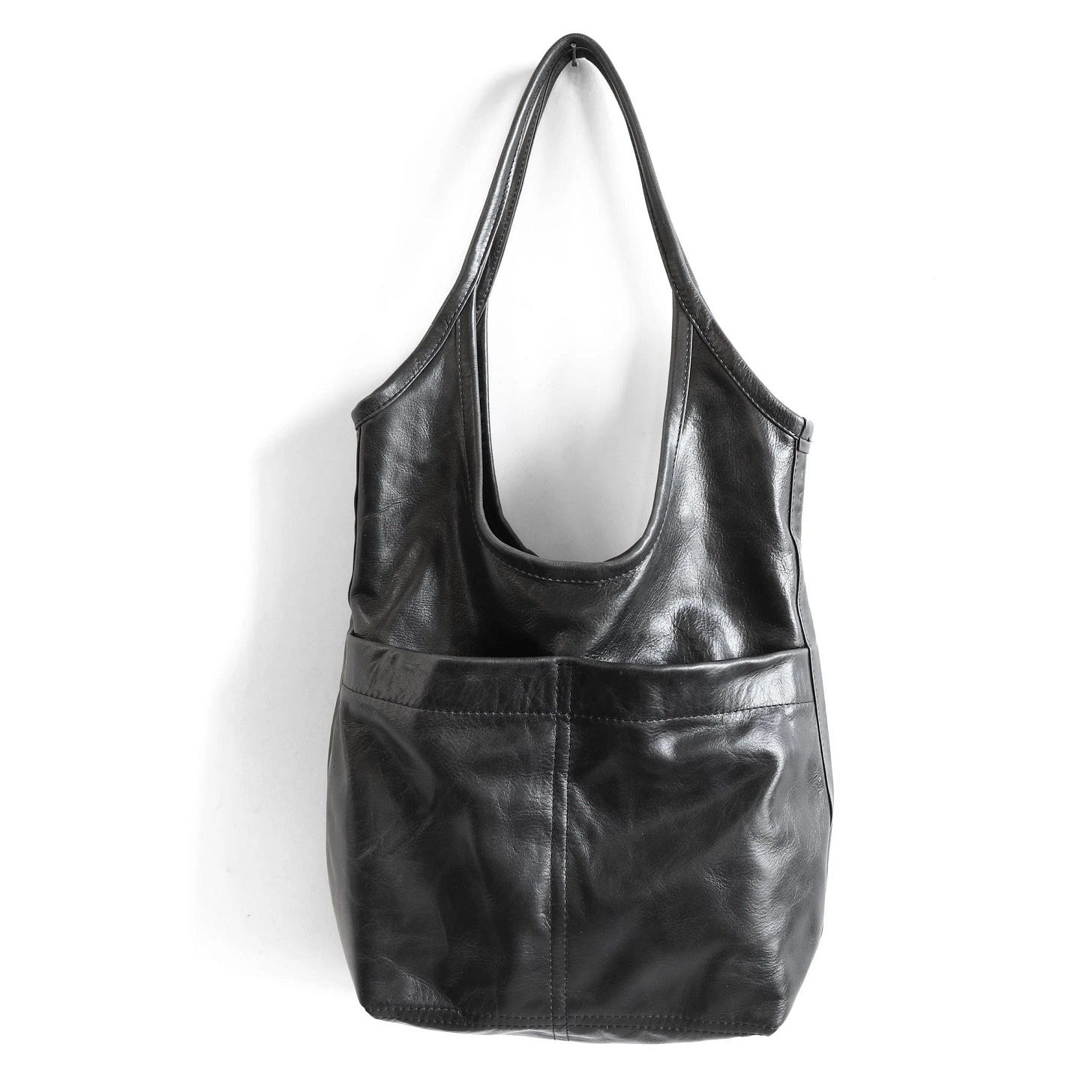
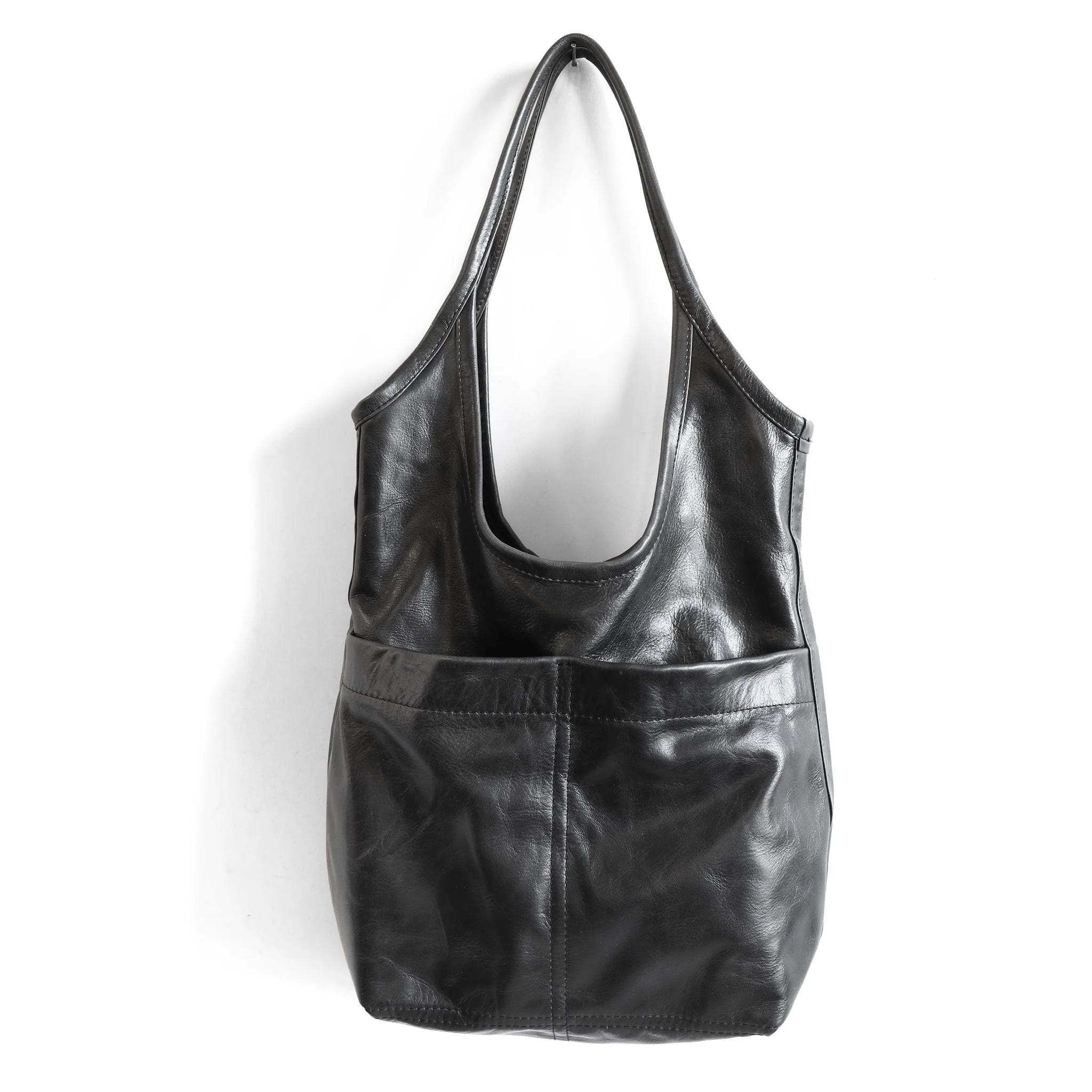
Handmade Tux Sling Bag by Rough and Tumble. Will patina beautifully.


From left to right: 1970s Figure Sketch ($22!), 1960s Figurative Sketch, 1970s Reynold Arnould Sketch
Thank you all for reading. I’ll be here:


Xo,
Talia
Math teachers were so right when they said Show Your Work
🩷🩷